

Welded rings may not catch much attention, but they play a big role in heavy-duty industrial work. These rings are used to secure, connect, lift, and fasten in environments where strength and reliability are non-negotiable. From construction sites to manufacturing lines, a welded ring often holds everything together.
In this article, we’ll look at the top 5 uses for a welded ring in industrial settings, explain how they differ from non-welded versions, and break down what actually makes a ring “industrial grade.”
How Is a Welded Ring Different from a Non-Welded Ring?
At first glance, a ring is a ring, but in industrial work, the details matter. A welded ring is made when the two ends of a metal loop are permanently fused together, creating a closed and strong circle. That weld gives it the kind of strength you can count on, which is why it’s often used in jobs that involve heavy lifting, pulling, or securing equipment.
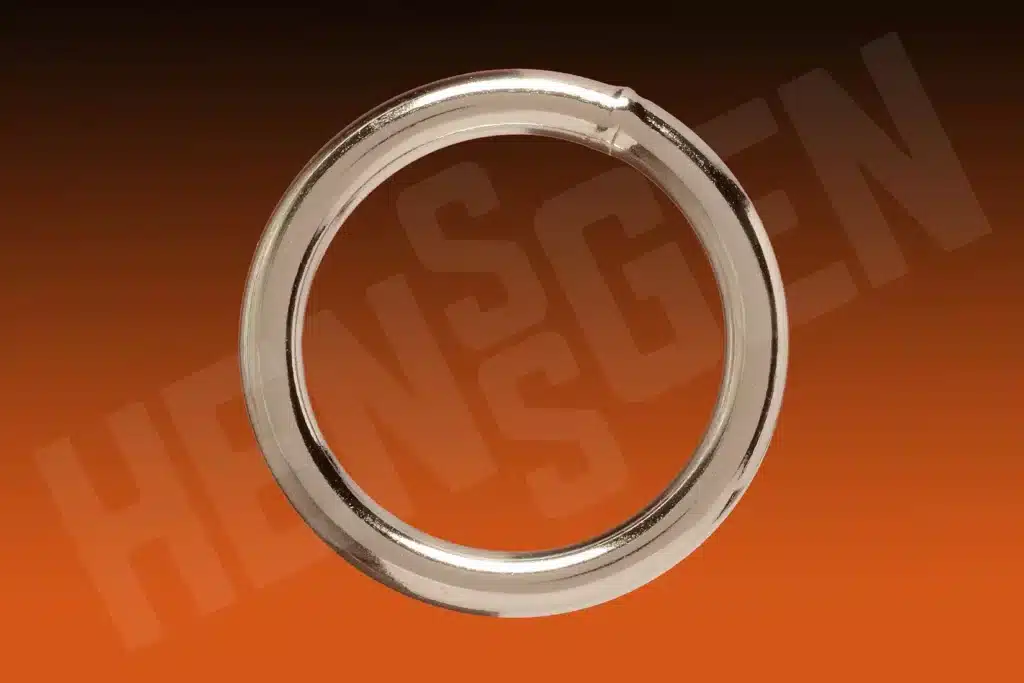
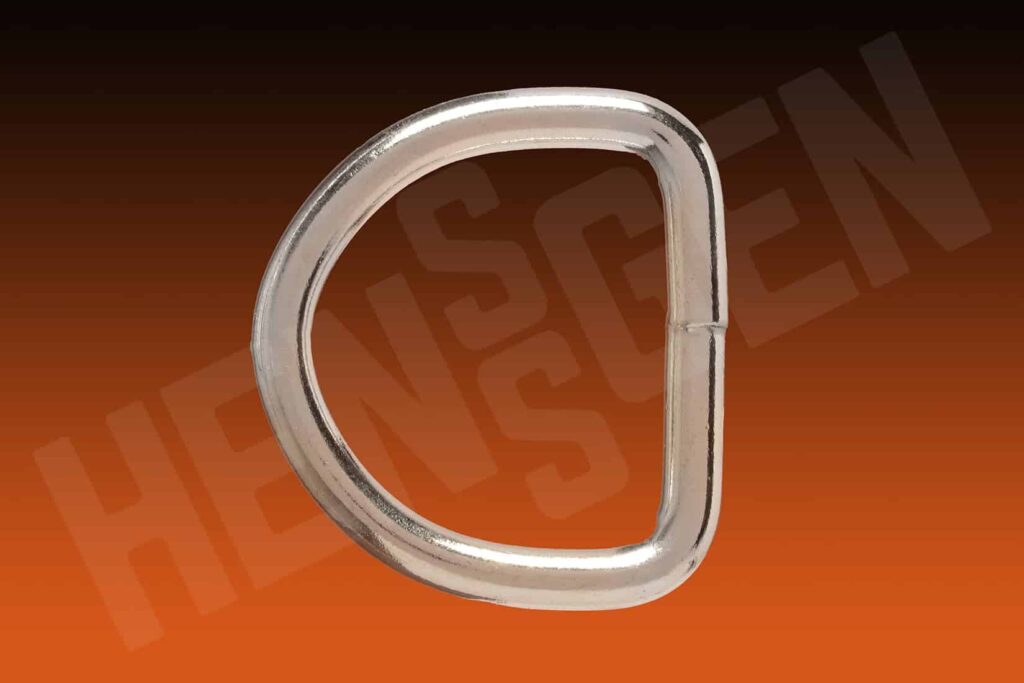
Now compare that to a non-welded ring, which is usually just a bent piece of metal with no welded seam. These are fine for light-duty uses like keychains, golf towels, or bag straps. They’re easy to open and close, but they’re not made to handle pressure. Under real strain, they can open up or twist out of shape, which just won’t work in an industrial setting. That’s why a fully welded option like the Welded D-Ring is a better fit for industrial applications where secure, load-bearing connections are essential. For maximum strength and stability, the Welded Round Ring offers superior performance with its fully welded design.
What Makes a Ring “Industrial Grade”?
When something’s labeled industrial grade, it means it’s built for real work. In the case of welded rings, this starts with the material. Most industrial-grade rings are made from stainless steel or zinc-plated steel, both known for their strength and resistance to rust. These rings are expected to perform in tough environments like construction sites, warehouses, or transportation setups, where they’re exposed to heavy use, moisture, or extreme temperatures.
Another key factor is the weld quality. Industrial rings are fused at the ends to form a completely closed loop. That weld needs to be smooth, with no weak points that could fail under pressure. If the weld gives out, it can compromise the entire setup. That’s why these rings are built to handle tension, sudden force, or repeated movement without bending or breaking.
On top of that, load testing plays a big role in what sets industrial-grade rings apart. These rings go through stress tests to confirm they can hold a specific weight safely. Some are tested for heat, cold, or vibration, just to make sure they won’t fail in extreme situations.
Top 5 Industrial Uses for Welded Rings
Welded rings may look simple, but they serve an important role across many heavy-duty tasks. Their strength and durability make them a trusted choice in environments where safety and reliability come first. Welded rings are available in many different sizes/diameters and wire thicknesses. Below are 5 common ways they’re used in industrial settings:
1. Lifting and Rigging Systems
In warehouses, shipyards, and construction zones, welded rings are used to connect chains, cables, or slings to cranes and hoists. Their closed-loop design provides a secure anchor point that won’t bend or open under weight.
2. Safety Harnesses and Fall Protection Gear
When it comes to worker safety, there’s no room for shortcuts. Welded rings are built into harnesses and safety gear to support human weight in case of a fall. The strength of the weld ensures the ring stays intact even during sudden pressure.
3. Load Securing and Tie-Down Applications
Trucks and trailers often use welded rings as tie-down anchors to secure cargo. Since these rings can handle high tension, they keep straps in place during transport, reducing the risk of shifting loads and accidents.
4. Machinery and Equipment Connections
Industrial machines often require parts that can swivel, rotate, or connect tightly. Welded rings serve as reliable connectors for moving parts or components that need to stay firmly linked during operation.
5. Heavy-Duty Fabrication and Assemblies
In metalworking or structural fabrication, welded rings are used to fasten or support heavy panels, beams, or tools. Their ability to bear tension while staying stable makes them perfect for tough assembly jobs.
Conclusion
A welded ring might seem like a small detail, but in industrial settings, it’s often what holds the big picture together. From lifting heavy loads to keeping workers safe, these rings are engineered for performance and reliability.
If you’re sourcing parts for demanding work, make sure you choose industrial-grade welded rings built to handle pressure, weather, and time. They may not be flashy, but they never let go.
Want more practical breakdowns like this? Check our blog and get useful guides delivered right to you.
0 Comments