

When it comes to outfitting your boat with reliable, durable hardware, stainless steel boat hardware is the clear winner. Whether you’re a seasoned boater or new to marine adventures, understanding why stainless steel is the material of choice can make all the difference. In this post, we’ll explore why stainless steel is so well-suited for the challenges of saltwater environments, and how you can care for your boat hardware to keep it performing at its best.
Why Stainless Steel is the Standard for Marine Hardware
Saltwater is aggressive. It corrodes carbon steel rapidly, pits aluminum, and degrades brass over time. Quality stainless steel boat hardware, however, withstands these harsh conditions season after season.
The secret lies in the metal’s composition. Stainless steel contains at least 10.5% chromium, which reacts with oxygen to form a protective oxide layer on the surface. This invisible barrier provides the corrosion resistance that makes stainless steel so valuable. When the surface is scratched or cut, this protective layer reforms automatically—provided oxygen is available.
How Does Stainless Resist Saltwater Corrosion?
Saltwater is tough on everything. The constant exposure to salt can quickly wear down metals, causing corrosion. Stainless steel, however, has a built-in defense mechanism. It contains chromium, which reacts with oxygen to form a protective layer on the surface. This layer keeps rust and corrosion at bay, even in harsh marine environments. For boat owners, this means a reliable material that won’t degrade after repeated exposure to water.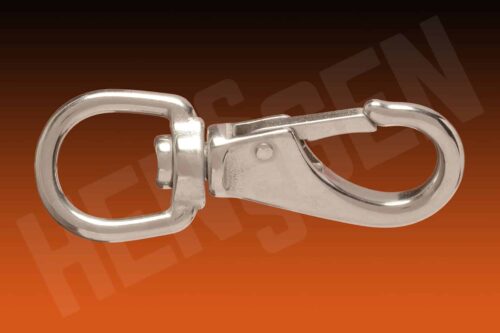
316 stainless steel is the go-to option for marine applications. Its resistance to saltwater corrosion is unmatched, making it perfect for items like cleats, fasteners, and deck fittings. At Henssgen Hardware, we specialize in 316 stainless steel boat hardware, ensuring that your gear stays strong and functional, no matter the conditions.
Which Stainless Grade is True “Marine-Grade”?
Not all stainless steel is created equal. When it comes to marine applications, 316 stainless steel is considered true “marine-grade” because of its superior resistance to saltwater corrosion. It contains molybdenum, which increases its durability in chloride-rich environments. This makes it ideal for all types of marine hardware that need to withstand saltwater exposure, like shackles, deck fittings, and marine fasteners.
On the other hand, 304 stainless steel offers good corrosion resistance but is not as durable in saltwater environments. For most boating applications where exposure to saltwater is frequent, 316 stainless steel will provide the best protection and longevity.
Henssgen Hardware offers a wide range of 316 stainless steel products designed to handle even the toughest marine conditions. If you’re looking for the best, marine-grade solution, we’ve got you covered.
Proper Care for Stainless Steel Boat Hardware
Even the highest-quality stainless steel requires maintenance. Without it, you’ll see discoloration, pitting, and eventually structural deterioration.
Regular Cleaning: Essential Maintenance
The most important maintenance step is simple: rinse your hardware with fresh water after every saltwater outing. Salt buildup traps moisture against the metal and accelerates corrosion. Use a soft cloth or sponge with mild soap. Never use steel wool, wire brushes, or abrasive pads, as these will scratch the surface and compromise the protective oxide layer.
Addressing Stains and Light Corrosion
If you notice discoloration, create a paste from baking soda and water. Rub gently along the grain of the metal, then rinse thoroughly and dry completely. Commercial stainless steel cleaners containing phosphoric or oxalic acid are also effective at removing rust without damaging the underlying metal.
Materials to Avoid
Never use bleach, chlorine-based cleaners, steel wool, wire brushes, or abrasive sanding pads on stainless steel boat hardware. Chlorides attack and destroy the passive film.
Areas Requiring Extra Attention
Certain locations need more frequent inspection: under hardware bases where water becomes trapped, weld zones where manufacturing heat disrupts protection, telescoping components prone to crevice corrosion, and moving parts where friction wears away the protective layer.
Recommended Cleaning Schedule
Your maintenance frequency depends on operating conditions:
- Saltwater use: Rinse after every outing, perform thorough cleaning monthly
- Coastal storage: Weekly rinses, monthly detailed cleaning
- Freshwater use: Monthly rinses, thorough seasonal cleaning
Final Thoughts
When you choose stainless steel boat hardware, you’re opting for durability, strength, and resistance to corrosion. Its ability to withstand saltwater exposure, extreme weather, and daily wear makes it the ideal choice for any boat. By maintaining your hardware with just a few easy steps, you’ll ensure that your marine-grade stainless steel products continue to perform reliably, season after season.
For the best in marine-grade stainless steel hardware, browse Henssgen Hardware’s collection. From cleats to fasteners, we offer a wide range of products that are built to last. Explore our site today and find the perfect stainless steel hardware for your boat.
0 Comments